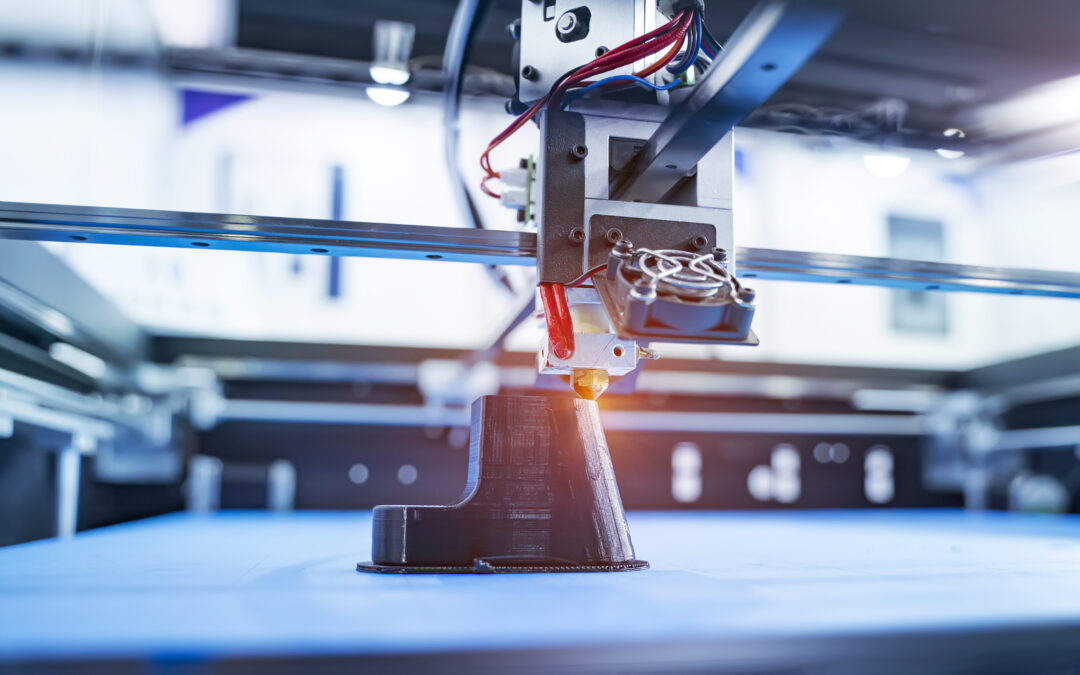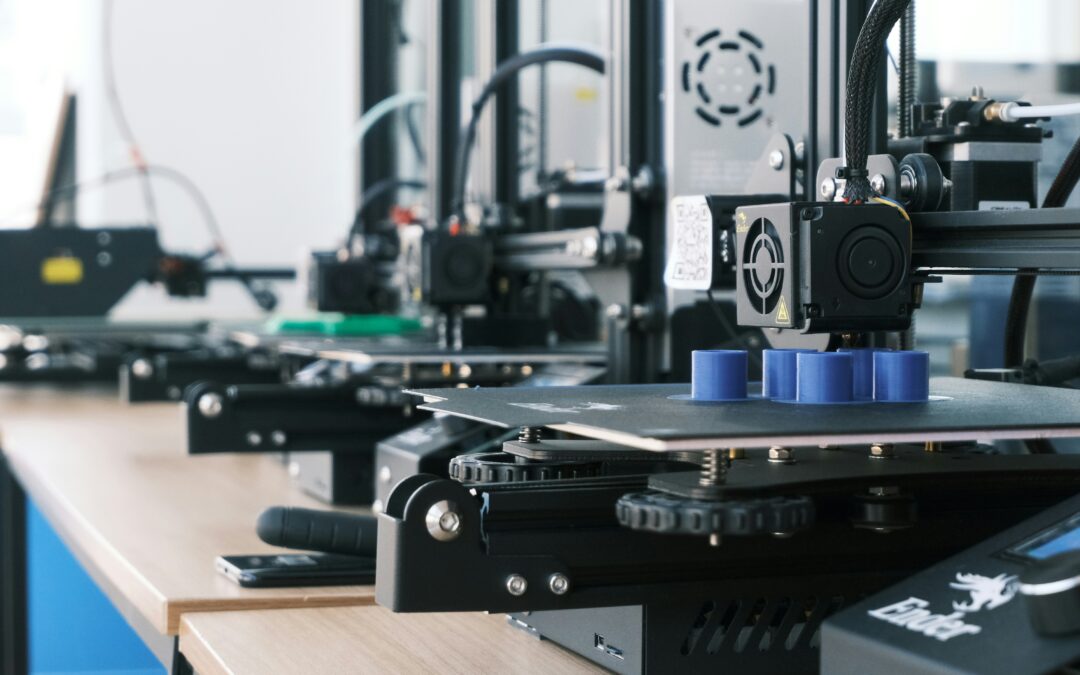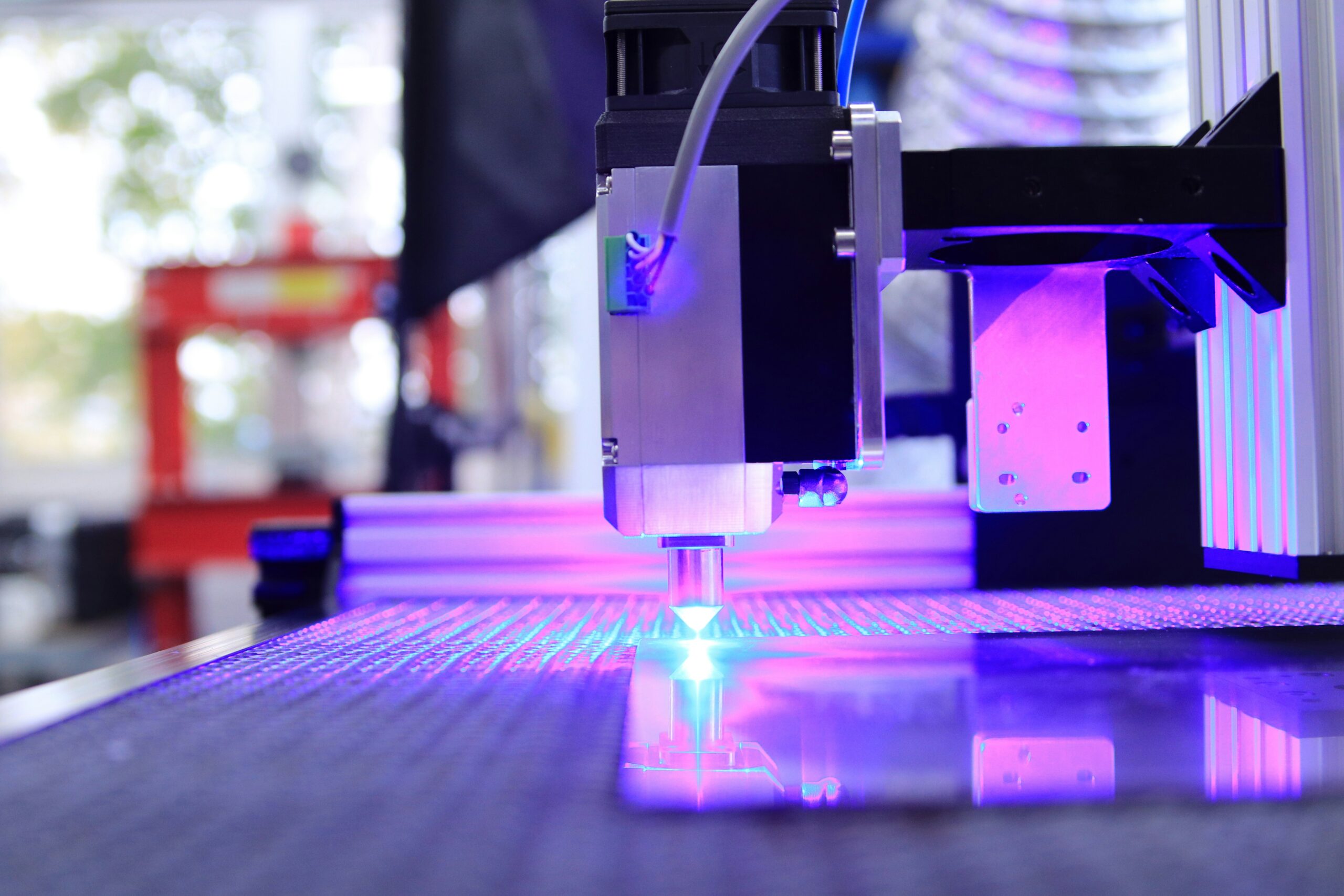
In the ever-evolving landscape of technology and manufacturing, professional 3D printing services are fast becoming a cornerstone for many industries. They offer manufacturers the ability to create intricate designs with fewer limitations compared to traditional manufacturing methods. These services utilise advanced software and high-tech printing machines that can create physical objects from digital models, opening up a realm of innovation and creative freedom.
Professional 3D printing services span across a myriad of sectors including healthcare, aerospace, automotive, construction, and more. With the ability to create functional prototypes, end-use parts, and complex geometries, they have revolutionised the traditional approach to product development and manufacturing. The use of different materials, such as plastics, metals, ceramics and even bio-materials, offers endless possibilities in product design and functionality.
The benefits of these services are far-reaching. They reduce waste materials, cut down production time, and allow for cost-efficient mass customisation. They also enable quick and easy design iterations, reducing the time and cost associated with traditional prototyping and testing processes. Moreover, they make it possible to produce parts and products that were previously impossible or extremely costly to manufacture.
Understanding Process Development Engineering’s Expertise
Located in Suffolk, UK, Process Development Engineering (PDE) is a leading provider of professional 3D printing services. They boast a team of skilled engineers and technicians who are well-versed in the intricacies of the technology, offering unparalleled expertise in the field. They provide end-to-end solutions, from conceptual design to final product manufacturing, ensuring meticulous attention to detail at every stage of the process.
PDE utilises the most advanced 3D printing technologies to produce high-quality, precise products. They are adept at a variety of techniques, including Fused Deposition Modelling (FDM), Selective Laser Sintering (SLS), and Stereolithography (SLA), among others. They utilise a wide range of materials to suit the specific needs of each project, ranging from metals and plastics to ceramics and composite materials.
The company is renowned for its commitment to quality and innovation. They consistently invest in research and the latest equipment, ensuring they stay at the forefront of the rapidly evolving industry. Their team collaborates closely with clients, providing expert advice and guidance to ensure the final product meets the highest industry standards and exceeds customer expectations.
Exploring 3D Printing Technologies at Suffolk
Suffolk is home to several companies specialising in 3D printing technologies, with Process Development Engineering being a vanguard in the field. They offer a wide array of 3D printing services, from FDM and SLA to SLS and Direct Metal Laser Sintering (DMLS). These technologies enable the production of both simple and complex designs with high levels of precision and repeatability.
FDM technology, for instance, is excellent for creating durable and heat-resistant parts. SLA, on the other hand, is ideal for highly detailed, smooth and accurate parts. SLS is preferred for complex geometric designs, while DMLS is perfect for robust, metal parts.
PDE’s 3D printing services in Suffolk are supported by sophisticated design software and high-tech scanning systems. This ensures highly accurate digital models and flawless final products. They also utilise post-processing techniques such as polishing, painting and coating to enhance the appearance and durability of the printed parts.
Benefits of Employing Professional 3D Printing Services
The use of professional 3D printing services brings a wide range of benefits to businesses. First and foremost, the technology allows for mass customisation, meaning that each printed part can be individually customised without additional cost. This enables businesses to cater to individual customer preferences, providing a competitive advantage in the market.
Moreover, 3D printing reduces the time to market by streamlining the prototyping process. Rapid prototyping allows for quicker design iterations, catching flaws early in the process and reducing the risk of costly mistakes later on. It also reduces inventory costs, as parts can be printed on-demand rather than stored in large quantities.
Lastly, the technology opens up new possibilities in terms of design. It allows for the creation of shapes and structures that are impossible with traditional manufacturing methods. This means businesses can innovate beyond the limits of conventional design and manufacturing constraints, creating products that are lighter, stronger, or more efficient.
Real-World Applications of 3D Printing in Engineering
3D printing has made significant inroads in several fields of engineering. In aerospace, for instance, companies are using 3D printing to produce lightweight, complex parts that reduce fuel consumption and emissions. In the automotive sector, manufacturers are employing the technology to create customised vehicle components, reducing the need for expensive tooling and moulds.
In the medical field, 3D printing is being used to create customised implants, prosthetics and even bio-printed tissues and organs. This has led to improved patient care and outcomes, as well as significant cost savings. In construction, companies are turning to 3D printing to create complex architectural structures, resulting in more efficient use of materials and reduced construction times.
Industrial engineering also benefits from 3D printing, where the technology is used to produce complex machinery components, reducing assembly times and increasing efficiency. In fact, the possibilities of 3D printing in engineering are endless, and as the technology continues to evolve, its applications will only continue to expand.
Role of 3D Printing in Advancing Suffolk’s Industries
3D printing plays a crucial role in advancing Suffolk’s industries. The technology has contributed to the growth of the region’s manufacturing sector, providing local businesses with the tools to innovate and compete on a global scale.
In the healthcare sector, local hospitals and medical institutions are utilising 3D printing technology for customised medical devices and surgical planning tools. Similarly, the automotive and aerospace industries in Suffolk are leveraging 3D printing to produce lightweight and durable components.
The construction sector is also reaping the benefits of 3D printing, with several companies exploring the technology for creating customised building elements. This is contributing to a more sustainable and efficient construction industry in the region. Moreover, local educational institutions are integrating 3D printing into their curriculum, helping to develop a future workforce skilled in the latest technologies.
Why Choose Suffolk’s 3D Printing Services for Your Business
Choosing Suffolk’s 3D printing services, particularly those offered by PDE, offers several distinct advantages. Firstly, the region is a hub for technological innovation, providing access to cutting-edge equipment and skilled workforce. This ensures high-quality, precise and reliable 3D printed products.
Secondly, PDE’s holistic approach, which encompasses design, prototyping, production, and post-processing, ensures that all your 3D printing needs are met under one roof. This streamlines the process, saves time, reduces costs and ensures consistency in quality.
Lastly, by choosing Suffolk’s 3D printing services, you are contributing to the growth of the local economy and supporting the development of a sustainable, high-tech manufacturing sector in the region. Whether you are a small business or a large enterprise, Suffolk’s 3D printing services can provide you with the tools and expertise to innovate and excel in today’s competitive market.