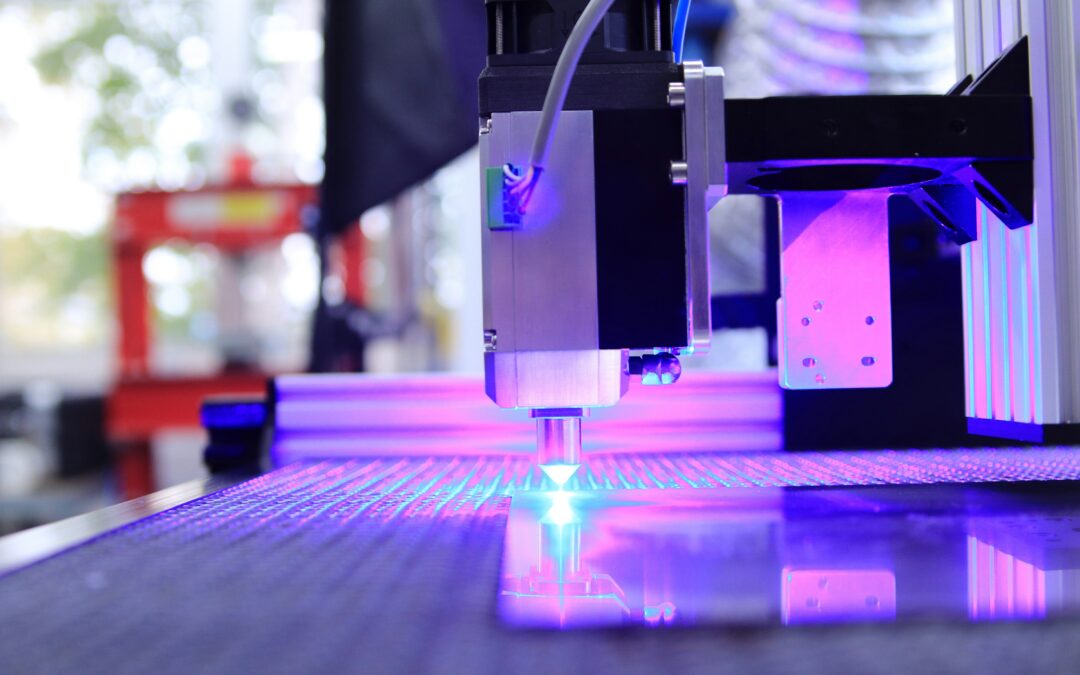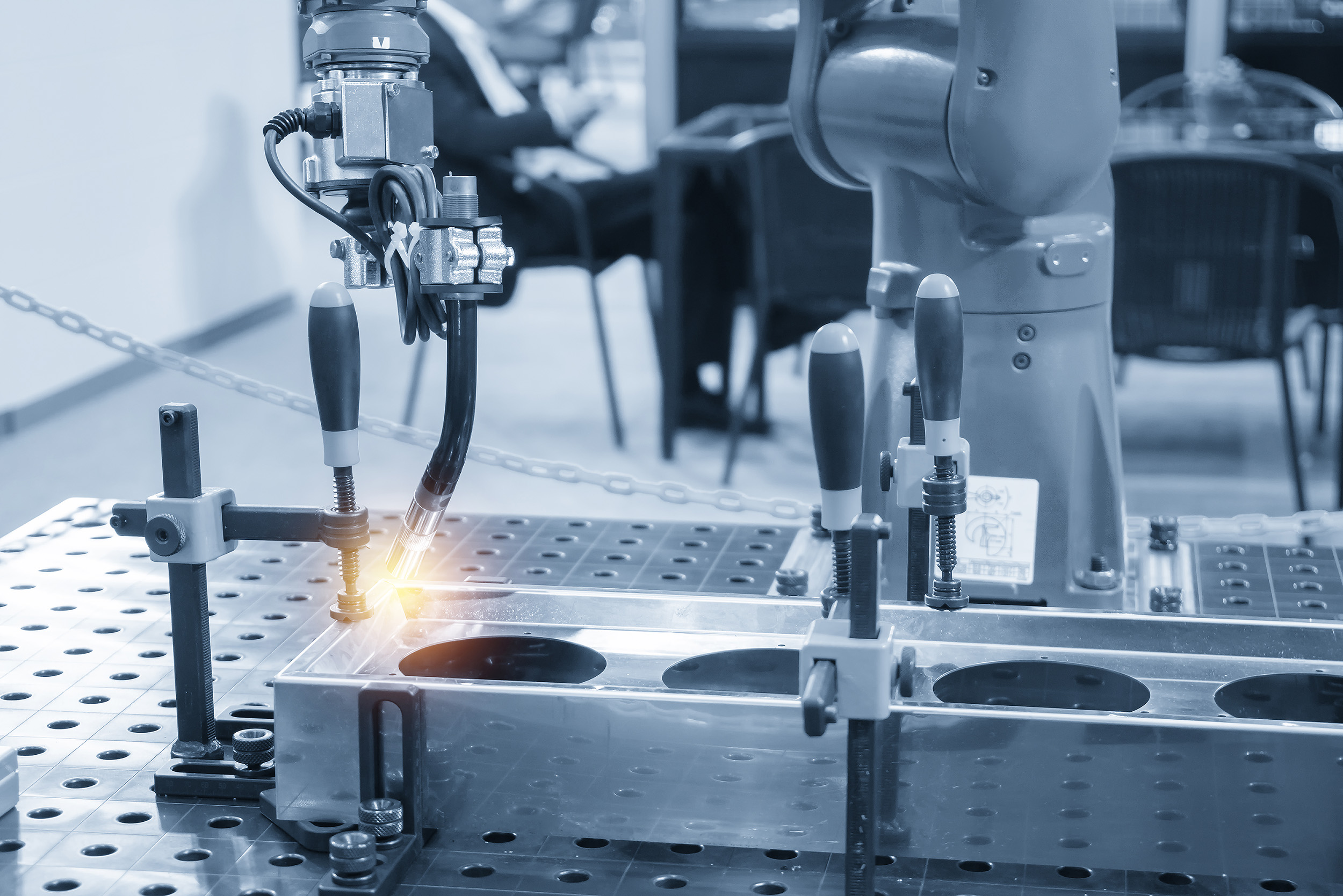
Computer Numerical Control (CNC) Milling is a manufacturing process that leverages computer-controlled machine tools to remove material from a workpiece. The importance of excellence in CNC Milling services cannot be overstated, as it profoundly impacts product quality, efficiency, and overall production costs. Adept CNC milling services can generate complex shapes with high precision, an essential element in sectors such as aerospace, automotive, medical, and manufacturing, where even the slightest error can lead to catastrophic results.
The excellence in CNC milling services lies in the precise control over the machine tools. The computer software navigates the machine tools to follow the predetermined tool paths. As a result, the workpiece is accurately carved into the required shape and size, eliminating the likelihood of errors caused by manual operations.
Moreover, excellence in CNC milling services facilitates mass production. The same program can be used repeatedly to produce identical parts, ensuring uniform quality throughout the production run. This repeatability is a fundamental advantage for industries that require large volumes of identical components, such as automotive and consumer electronics.
Digging Deeper into the Process of CNC Milling
CNC milling is a subtractive manufacturing process that starts with a solid block of material, also known as a blank. The CNC machine progressively removes material from the blank, following a set of coded instructions until the desired shape is achieved. This process can be performed on various materials, including metals, plastics, and composites, making it a versatile solution for a wide array of applications.
The process of CNC milling fundamentally involves three stages: design, programming, and machining. In the design stage, engineers use Computer-Aided Design (CAD) software to create a 3D model of the part to be manufactured. This design is then converted into a CNC program, which outlines the movements of the machine tools in code. Finally, in the machining stage, the CNC machine interprets this code to cut and shape the material accurately.
The CNC milling process offers numerous advantages. Its precision and ability to produce complex shapes surpass traditional manual machining processes. Moreover, it’s highly efficient, as the automated nature of CNC milling reduces the need for manual labour, thus saving time and resources.
Spotlight on Process Development Engineering in CNC Milling
Process development engineering plays a crucial role in CNC milling, ensuring the process is robust, efficient, and generates high-quality output. It involves the selection of the appropriate tools, determination of the optimal cutting parameters, and development of the most effective tool paths.
The tool selection phase involves choosing the right cutting tools based on the material to be machined and the complexity of the part. The optimal cutting parameters, including speed, feed rate, and depth of cut, are determined based on the tool and material. Finally, engineers develop a tool path that minimises machining time while ensuring precision and quality.
Process development engineering also emphasises continuous improvement. By critically reviewing and refining the machining process, engineers can identify potential bottlenecks, eliminate waste, and improve overall efficiency.
How Process Development Engineering Improves CNC Milling
Process development engineering can greatly enhance the efficiency and quality of CNC milling. By establishing optimal cutting parameters and tool paths, engineering can minimise machine time, energy consumption, and material waste, thereby reducing overall production costs.
Moreover, process development engineering promotes repeatability and consistency in CNC milling. By following a well-defined process, manufacturers can produce identical parts in large volumes, ensuring uniform quality.
Additionally, a well-engineered process can extend tool life and minimise maintenance requirements, further contributing to cost savings. By optimising cutting speeds and feeds, engineers can reduce tool wear, thereby improving tool lifespan and reducing the need for frequent replacements.
The Role of Precision and Quality in CNC Milling Services
Precision and quality are cornerstone principles in CNC milling services. The ability to produce parts with tight tolerances and fine details is a key competitive advantage in industries where precision is critical, such as aerospace, medical devices, and automotive.
Precision in CNC milling is achieved through computer control, which eliminates human error and ensures that every movement of the machine is accurate to the micrometre. This level of precision results in a high degree of consistency in the produced parts, a crucial factor when manufacturing components for industries with stringent quality standards.
Quality, on the other hand, refers to the overall performance and reliability of the machined parts. By maintaining high precision and using high-quality materials, CNC milling services can produce durable and reliable parts that meet or exceed customer expectations.
Trends and Innovations in CNC Milling Process
The field of CNC milling continues to evolve, with new trends and innovations emerging regularly. One major trend is the growing adoption of Industry 4.0 technologies, such as Internet of Things (IoT) and artificial intelligence (AI). These technologies enable real-time monitoring and predictive maintenance of CNC machines, improving efficiency and reducing downtime.
Another significant innovation is the use of advanced materials in CNC milling. Materials such as titanium and high-performance composites are gaining popularity due to their strength, weight, and heat resistance properties. However, these materials pose unique machining challenges, necessitating advanced tools and cutting techniques.
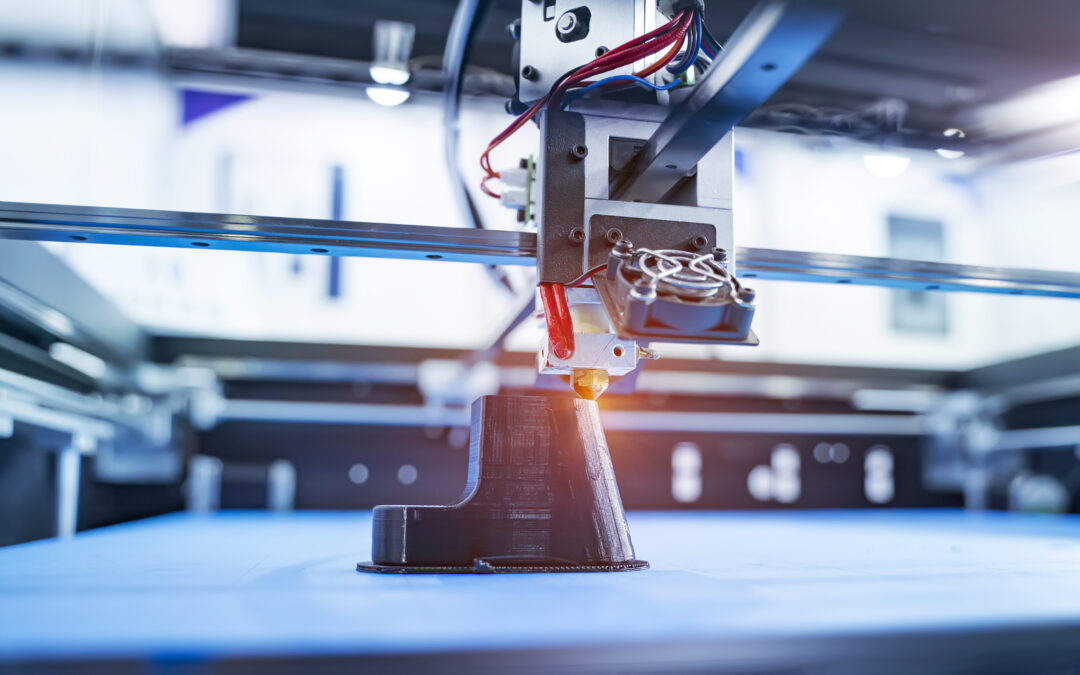
Finally, the rise of additive manufacturing or 3D printing is also influencing the CNC milling landscape. While CNC milling is a subtractive process, additive manufacturing builds parts layer by layer from a digital model. The combination of these two processes can unlock new possibilities, enabling the manufacturing of parts that are both complex and lightweight.